


VOLUMINEX

An EU-funded collaboration developing 3D spatial genomics technologies based on molecular network formation and sequencing-based readout.

3D spatial genomics organoids network science Europe

Kyoto University, Japan

Collaboration on sequencing-based spatial capture technologies and molecular network imaging.

microfluidics spatial capture Japan

Stockholm Hub for DNA Nanotechnology & DNA Computing

Collaborators in DNA nanotechnology and molecular programming in Stockholm.

DNA nanotechnology molecular programming nanomaterials Stockholm

A multi-institution European collaboration to develop 3D spatial genomics

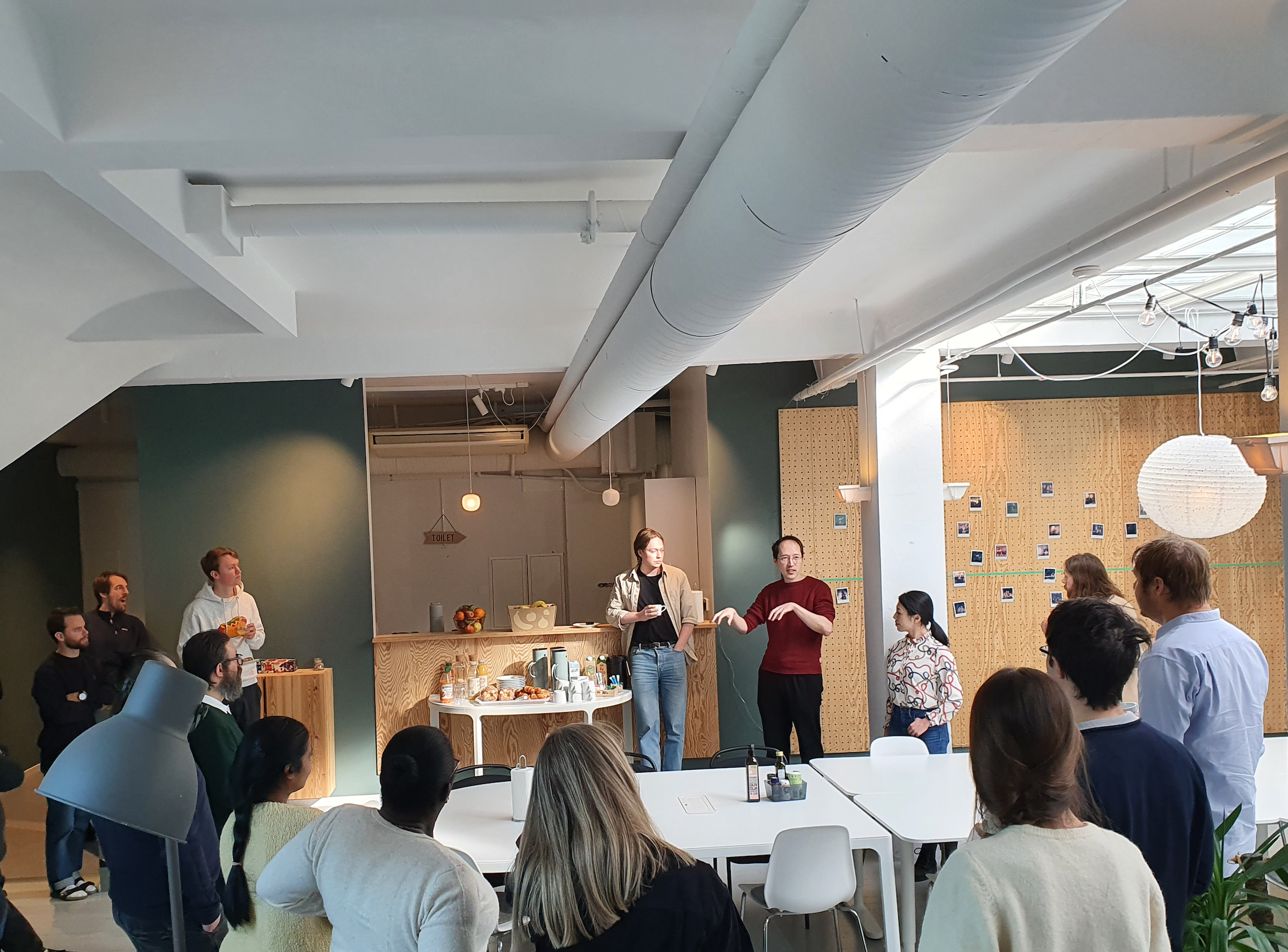
Discussions at Single Technologies headquarters in Stockholm VOLUMINEX annual meeting Paris city VOLUMINEX partner logos European Innovation Council logo

An EU-funded research collaboration focused on developing 3D spatial genomics technologies based on molecular network formation and sequencing-based readout.

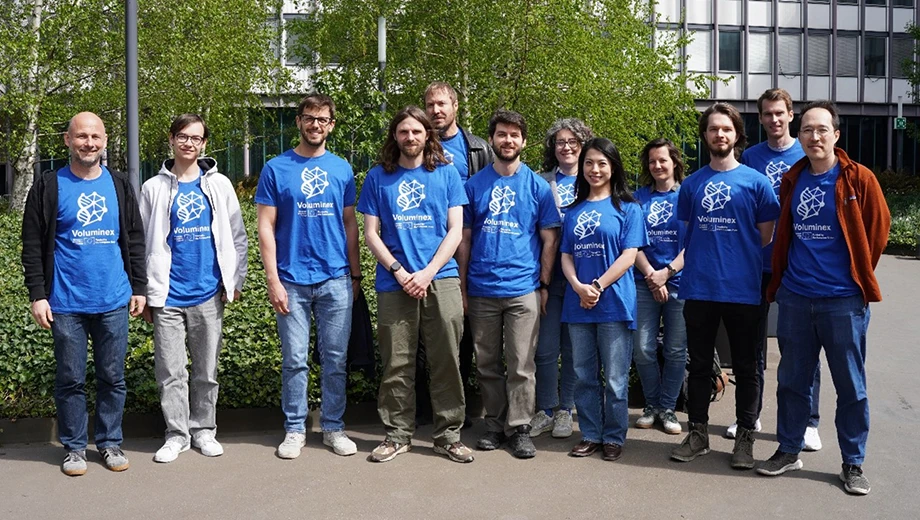
The Molecular Programming group is coordinating the VOLUMINEX project on behalf of KTH, a consortium with complementary expertise across physics, biology, DNA nanotechnology, and industrial sequencing platforms:

The project incorporates experimental and computational development, with ongoing exchanges, joint development efforts, and regular consortium meetings, including workshops and hackathons hosted across partner sites (e.g. Paris 2026, Stockholm).
Links

Kyoto University, Japan

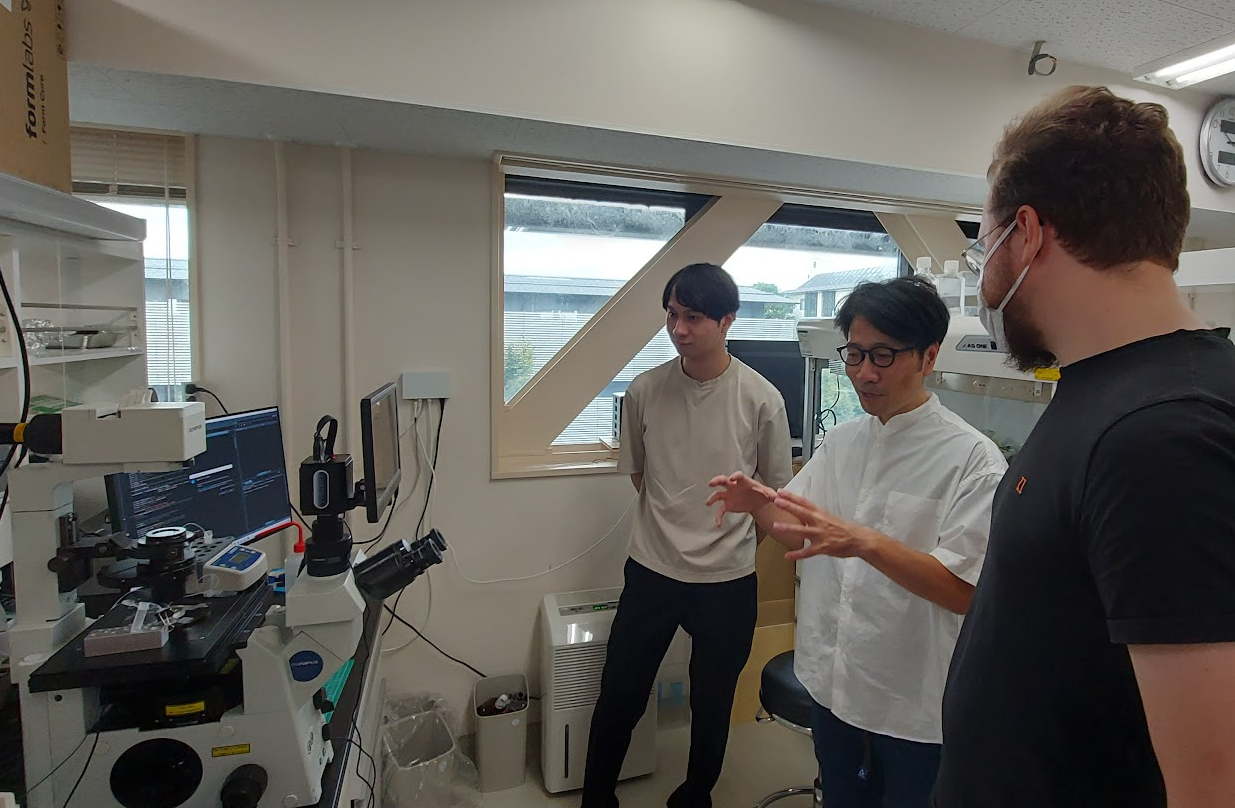
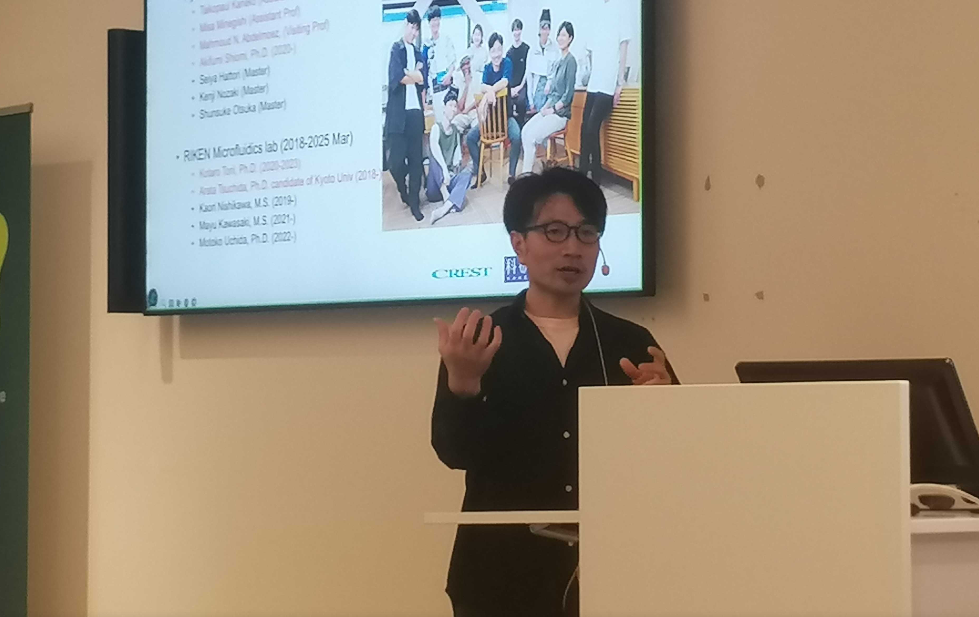
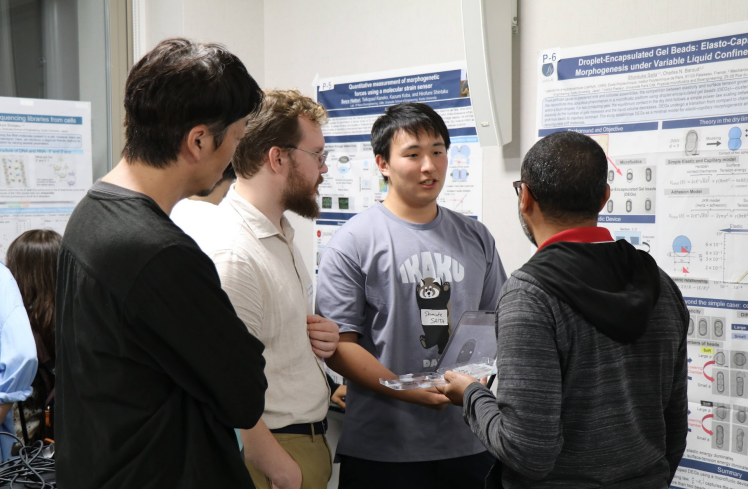
Shintaku collaboration talk Kyoto nanobiofluidics colloquium Kyoto collaboration

We collaborate with Hirofumi Shintaku and colleagues at Kyoto University's Institute for Life and Medical Sciences on technologies for spatial molecular capture and sequencing-based microscopy. This exchange connects our work on molecular networks and reconstruction algorithms with device engineering, microfluidics, and new experimental routes for capturing spatial information from biological samples.

In 2025, Simon Dahlberg from the group travelled to Kyoto assisting in the development of a novel spatial sequencing technology conceived by Hiro and his colleague Taikopaul Kaneko. Simon participated in a Nanobiofluidics colloquium and conducted computational algorithms research while staying in Kyoto for 3 months. This was the first part of a longer term collaboration with more exchanges expected in the future.

The collaboration includes research visits, student exchanges, and shared development of approaches where spatial structure is encoded into sequencing-readable molecular data.

Links

Stockholm Hub for DNA Nanotechnology and DNA Computing

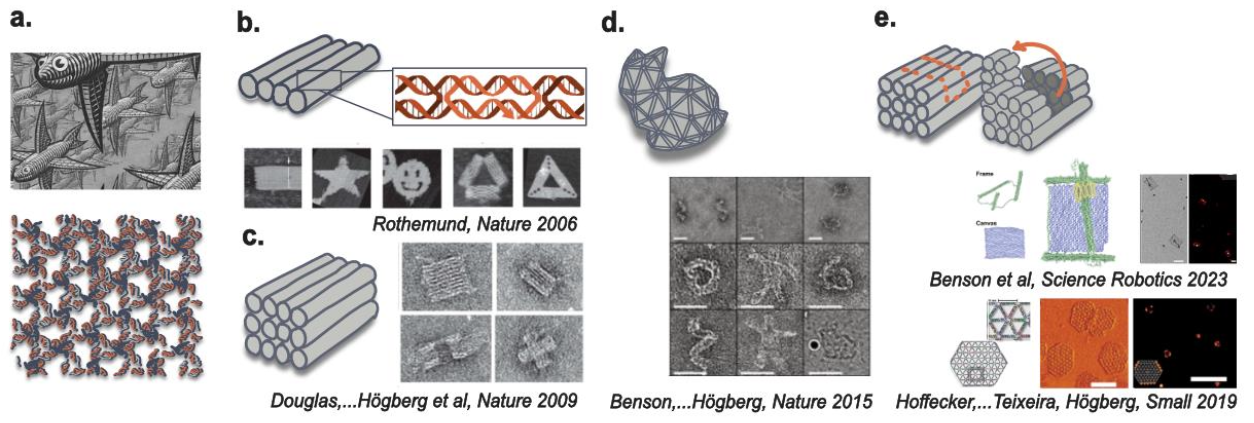
DNA nanotechnology 1 DNA nanotechnology 2

This collaboration network is comprised of groups led by Ian Hoffecker, and researchers Erik Benson, Ana Teixeira, and Björn Högberg (Karolinska Institutet). Together our groups represent Stockholm's leading researchers in DNA nanostructure design, molecular programming, and cellular interfacing with DNA nanorobotics. We share a common goal of developing programmable nucleic acid systems that can sense, process, and act (typically within biological environments). This hub has emerged organically into a platform of shared research, infrastructure, and training in the fields of nanotechnology, computation, and life sciences.